Essential Back-To-School Safety Tips for Families
The back-to-school season is an ideal moment for families to revisit everyday safety habits that help children stay protected from morning drop-off through after‑school routines. With new schedules, busier days, and fresh routines ahead, reinforcing key precautions can make school days smoother and more secure. These reminders support children, encourage confidence, and give parents added peace of mind as the year begins.
Safety touches every part of a child’s day—from their trip to school to activities after the final bell. Taking a little time to review safe habits now sets the tone for a more prepared and comfortable school year.
Safe Habits Before the School Day Starts
The journey to school is a major part of each student’s daily routine, and understanding basic safety guidelines can help prevent accidents and ensure a smoother start to the day. Whether children are walking, biking, riding the bus, or traveling by car, a few essential practices can make a meaningful difference.
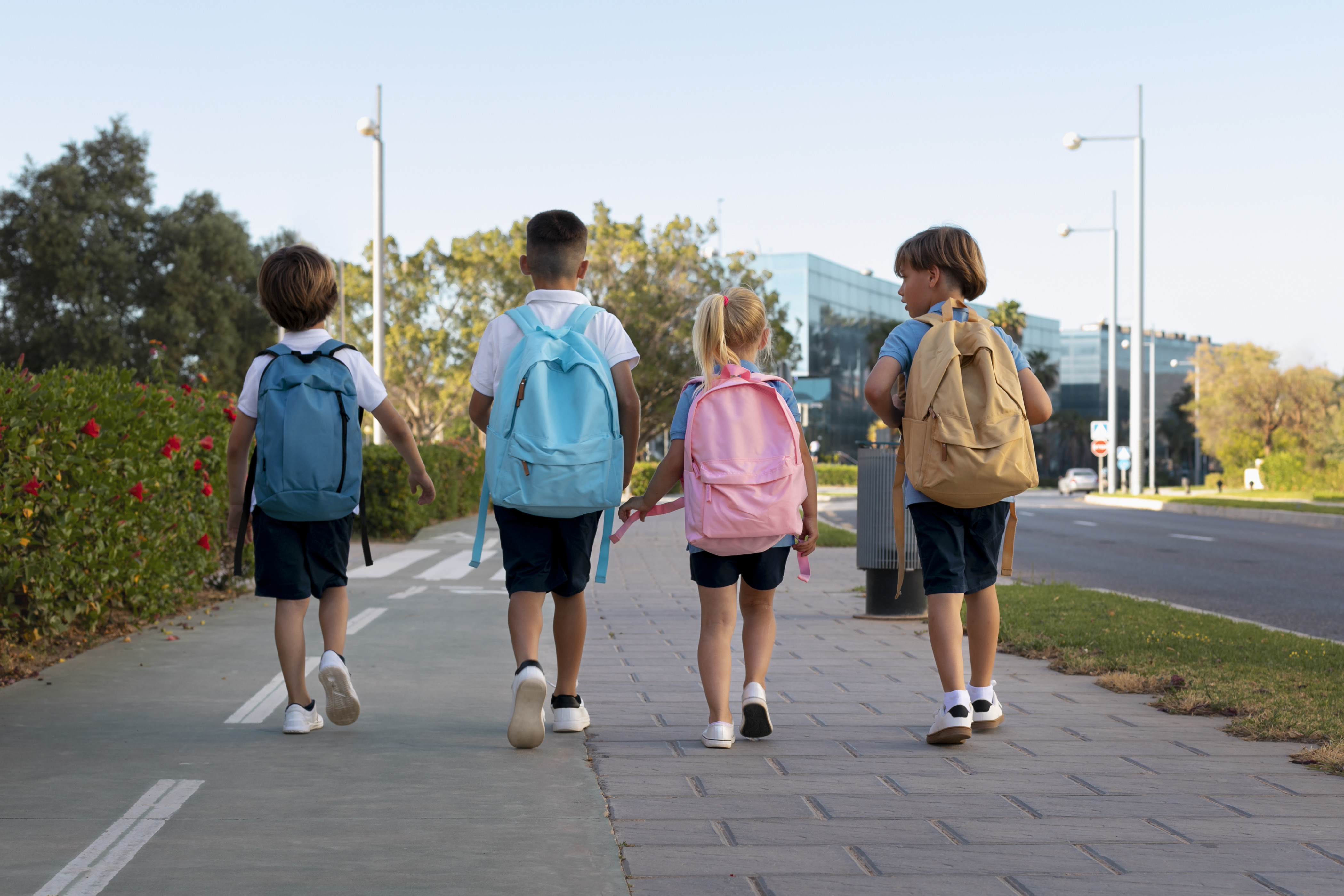
Students who walk should stay on sidewalks whenever they are available and cross only at designated intersections or marked crosswalks. Teaching children to look in all directions before crossing is important, but encouraging them to make eye contact with drivers adds another level of safety. Families can also remind children to walk with a friend or sibling when possible, making the route to school more secure and social.
Bike riders should always wear a properly fitted helmet. Children should ride on the right side of the street, staying in the flow of traffic, and come to a full stop before crossing. Selecting routes with fewer busy intersections or heavy traffic can help create a calmer and safer commute for young cyclists.
Bus safety is equally important to review. Students waiting for the bus should stand at least six feet from the curb and wait until the bus is completely stopped before stepping forward. Children should never walk directly in front of or behind the bus unless they are sure the driver sees them. These simple reminders can help reduce risks during crowded morning pick‑ups.
Families who use car drop‑off lines also play a key part in keeping school zones safe. Following posted procedures, reducing speed near schools, and never passing a stopped bus help maintain a safer environment for all students.
Teen drivers heading back to school may benefit from refresher conversations as well. Topics like wearing seatbelts, observing speed limits, avoiding distractions, and setting boundaries around passengers can reinforce responsible driving habits.
Building Safe and Healthy School‑Day Routines
Once children arrive at school, there are several routine habits that help protect their safety and well‑being throughout the day. One valuable skill is knowing what to do during emergencies. Children should know their full name, home address, and a parent or guardian’s phone number. Many families add a laminated contact card to a backpack with emergency details and essential medical information to ensure quick access if needed.
Healthy habits are just as important. School environments bring many children together in close spaces, which makes it easier for germs to spread. Teaching kids how to wash their hands effectively and reminding them not to share drinks or food can help reduce illness throughout the year.
Backpack safety is often overlooked but plays a major role in a child’s physical comfort. Overloaded bags can strain a child’s shoulders or back. A helpful guideline is keeping the backpack at no more than 15% of the child’s body weight. Students should also use both shoulder straps so weight is distributed evenly.
Families should also maintain open conversations about bullying. Helping children recognize warning signs, understand how to report concerns, and identify supportive adults at school empowers them to speak up when something does not feel right.
Labeling school items is another safety measure worth considering. Instead of putting a child’s full first name on the outside of lunch boxes or backpacks, using initials or placing labels inside can help protect privacy.
Staying Safe After School
Safety planning isn’t limited to school hours. Afternoons can be unpredictable with shifting schedules, activities, and transportation changes. Establishing reliable routines helps keep children safe once school is dismissed.
One helpful practice is creating a consistent check‑in system. Children who walk home or arrive before a parent can send a message or make a quick call when they reach home. Some families choose to use GPS devices or locator apps attached to backpacks for additional reassurance.
If a child spends time at home alone, discussing expectations ahead of time is key. Conversations can include when to lock doors, how to handle phone calls, and rules about having visitors. Children should also know what actions to take if someone unexpected comes to the door.
Internet safety should remain an ongoing and open discussion. Parents can remind children not to post or share personal information, including their school name, address, or daily routine. Creating a comfortable space for kids to talk about online experiences encourages them to speak up if something feels concerning.
Families may also want to review emergency procedures. Children should understand where to go during severe weather, where to meet outside during a fire, and who to contact if they need help when an adult is not immediately available. Practicing these plans helps children feel more prepared and confident during real emergencies.
The back‑to‑school season brings fresh beginnings and plenty of excitement. Taking time to review these safety reminders can help families feel more prepared from morning routines to after‑school activities. For questions about protecting your household or guidance on personal insurance and safety planning, the team at CH Insurance is always ready to support you.