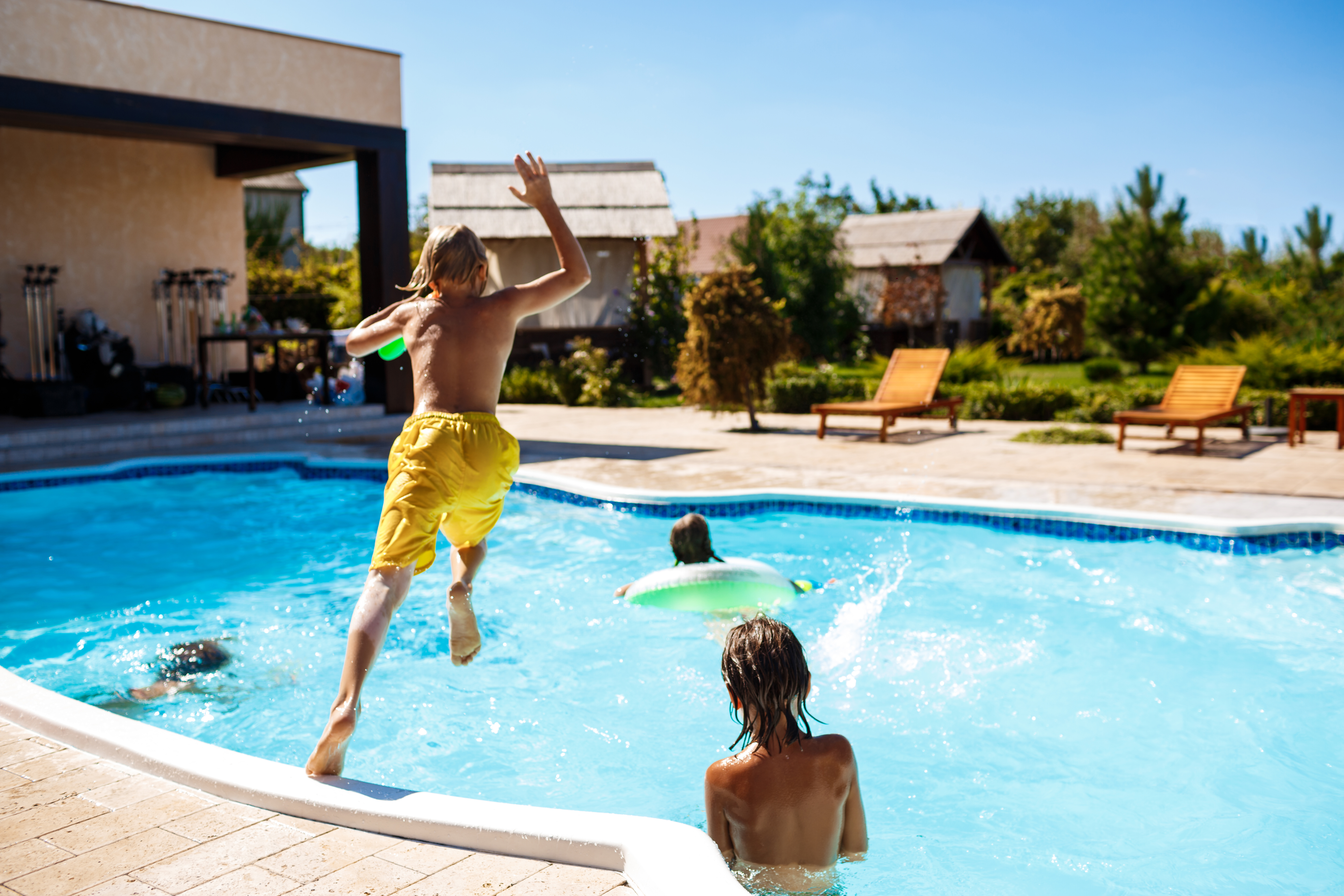
Backyard Liability Basics for Pools and Play Equipment
Summer is a time for outdoor fun, and many homeowners enhance their yards with pools, trampolines, and play equipment. These upgrades can create great memories, but they also add potential safety concerns. Understanding how liability insurance applies and knowing what steps to take can help keep your home protected. With clear safety measures, awareness of policy rules, and proactive planning, you can enjoy your outdoor spaces with more confidence.
Backyard features can increase the chance of accidents, especially when children are involved. By knowing how homeowners liability coverage works, learning about the concept of an "attractive nuisance," and reviewing your policy requirements, you can reduce risk and safeguard your finances.
What Homeowners Liability Insurance Covers
Homeowners insurance typically includes personal liability coverage, which helps protect you if someone is injured on your property and you are found legally responsible. This part of your policy may cover medical expenses, legal costs, or settlements related to a claim.
The Insurance Information Institute notes that liability protection commonly begins around $100,000, but many households opt for higher limits for improved financial security. Pools, trampolines, and playground equipment can increase the likelihood of injuries, making strong liability coverage especially valuable.
Even so, insurance is only one part of responsible homeownership. Insurers expect reasonable safety precautions, and failing to meet those expectations may affect how a claim is handled.
Understanding the Attractive Nuisance Concept
An important legal idea for homeowners is the concept of an "attractive nuisance." This refers to something on your property that may draw children in but also pose a safety threat. Because children may not recognize risks, the law often requires property owners to take additional precautions.
Common attractive nuisances include:
- Swimming pools
- Trampolines
- Treehouses
- Playground equipment
In many areas, safety features such as fencing, locked gates, or secure pool covers are required. Taking these steps helps reduce accident risk and shows that you’ve made reasonable efforts to keep your yard safe.
Policy Requirements and Possible Coverage Gaps
Insurance companies treat backyard features differently depending on their risk level. Some structures require specific safety measures, while others may be excluded entirely from certain policies.
Pools often come with the most rules. Many insurers require a sturdy fence or barrier with a self-latching gate. If these safety components are missing, a related claim could be denied.
Trampolines may also face restrictions. Some insurers require safety nets, while others may refuse to offer coverage for trampoline-related liability.
Play sets and other equipment can create liability concerns if they aren’t installed correctly or maintained properly. Following manufacturer instructions and performing routine inspections can help prevent injuries.
Because policies vary, reviewing your coverage with an insurance professional is important. They can help you understand exclusions, safety requirements, and appropriate liability limits.
Proactive Ways To Reduce Backyard Risks
Prevention should always be a top priority, even with strong insurance coverage in place. There are several practical steps you can take to make your yard safer.
Start by installing the right safety equipment. Fences around pools, nets for trampolines, and sturdy, well-secured play structures can significantly reduce hazards. Gates that close and latch automatically are especially helpful in preventing unsupervised entry.
Regular maintenance is also essential. Outdoor equipment wears down over time due to weather or frequent use. Checking for rust, loose bolts, frayed ropes, or weakened parts can help you catch issues early.
Posting clear rules or warnings, such as pool guidelines or depth markers, can help guests use outdoor spaces safely.
Active supervision remains one of the most effective ways to prevent accidents, especially when children are playing near water or elevated equipment.
Why Documentation Matters
Keeping records of your safety efforts can be useful if a liability claim arises. Documentation can show that you’ve made responsible decisions to create a safe environment.
Helpful records include:
- Photos of fences, gates, and safety features
- Maintenance logs for outdoor structures
- Receipts for safety improvements or repairs
- Notes from periodic inspections
While documentation doesn’t eliminate liability, it may support your case by showing consistent and reasonable care.
Backyard Safety Checklist for Summer
Before your yard becomes a go-to summer gathering spot, consider reviewing this simple safety checklist:
- Install required barriers, fencing, or enclosures for pools and other high-risk features
- Ensure all gates close and latch automatically
- Inspect trampolines, playgrounds, and other equipment for damage
- Repair or replace worn or broken parts promptly
- Keep documentation of all safety upgrades and maintenance
- Review your homeowners policy for exclusions and liability limits
Protecting Your Home and Enjoying Your Summer
Pools, trampolines, and other backyard features can enrich your outdoor living space and create memorable moments with family and friends. With the right combination of safety precautions and insurance coverage, you can reduce unnecessary risks and enjoy these amenities more confidently.
If you're uncertain whether your homeowners policy offers the right level of protection, an insurance professional can help you understand your coverage. A quick review can help you spot gaps, confirm necessary safety requirements, and make sure your liability limits fit your needs.
If you'd like support reviewing your homeowners coverage or have questions about liability protection, reach out today. A short conversation can help ensure your summer fun stays safe and worry-free.